Early 1800s
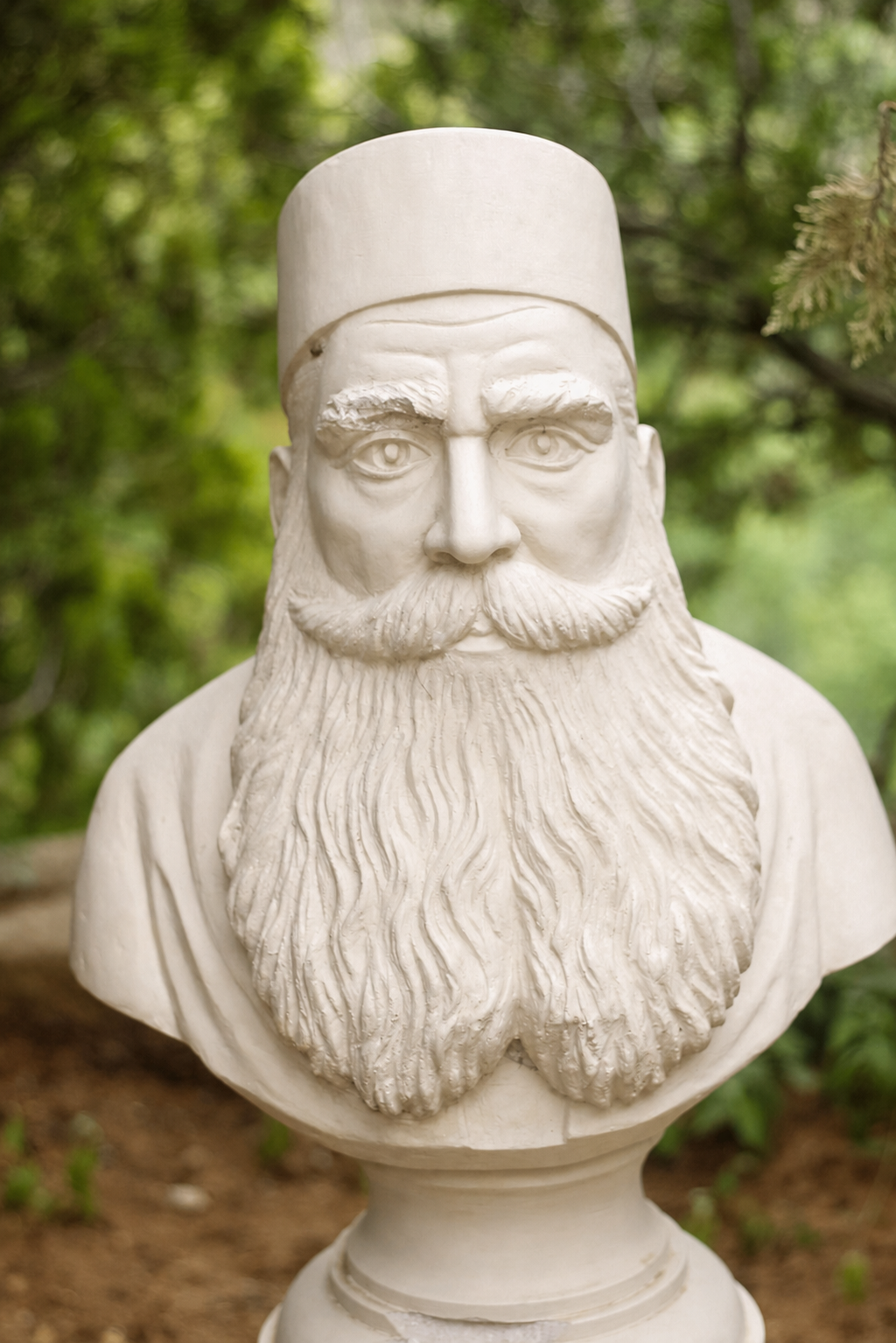
The Emirate legacy
Mir Amin Palace is closely connected to Emir Bashir Shihab II and his third son, Emir Amin, who often acted as his father’s representative and became central to the palace’s story.


Mir Amin Palace is closely connected to Emir Bashir Shihab II and his third son, Emir Amin, who often acted as his father’s representative and became central to the palace’s story.
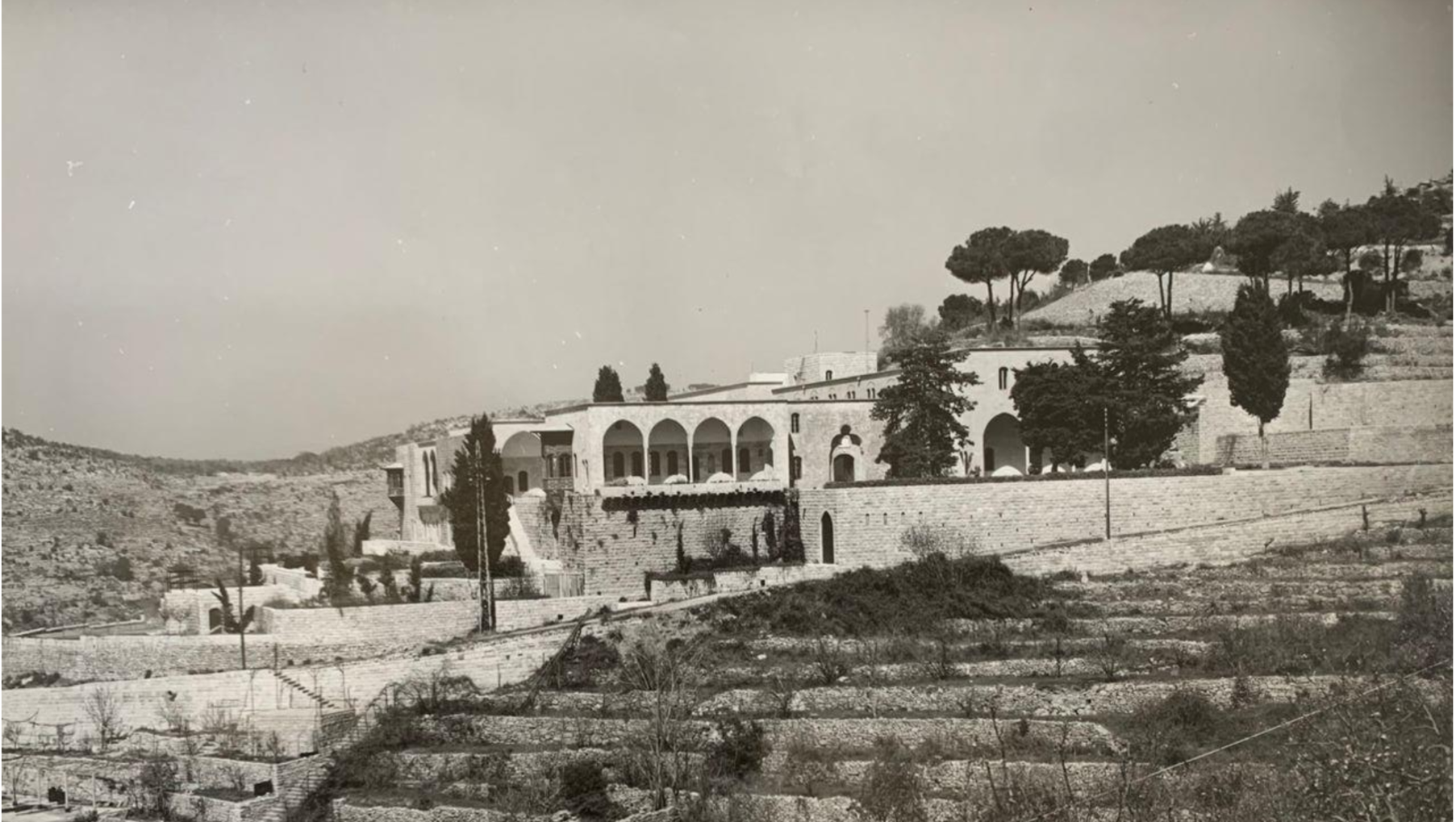
Commissioned by Emir Bashir II and completed in 1838, the palace was built at around 950 meters above sea level, overlooking Beiteddine in the heart of the Shouf.
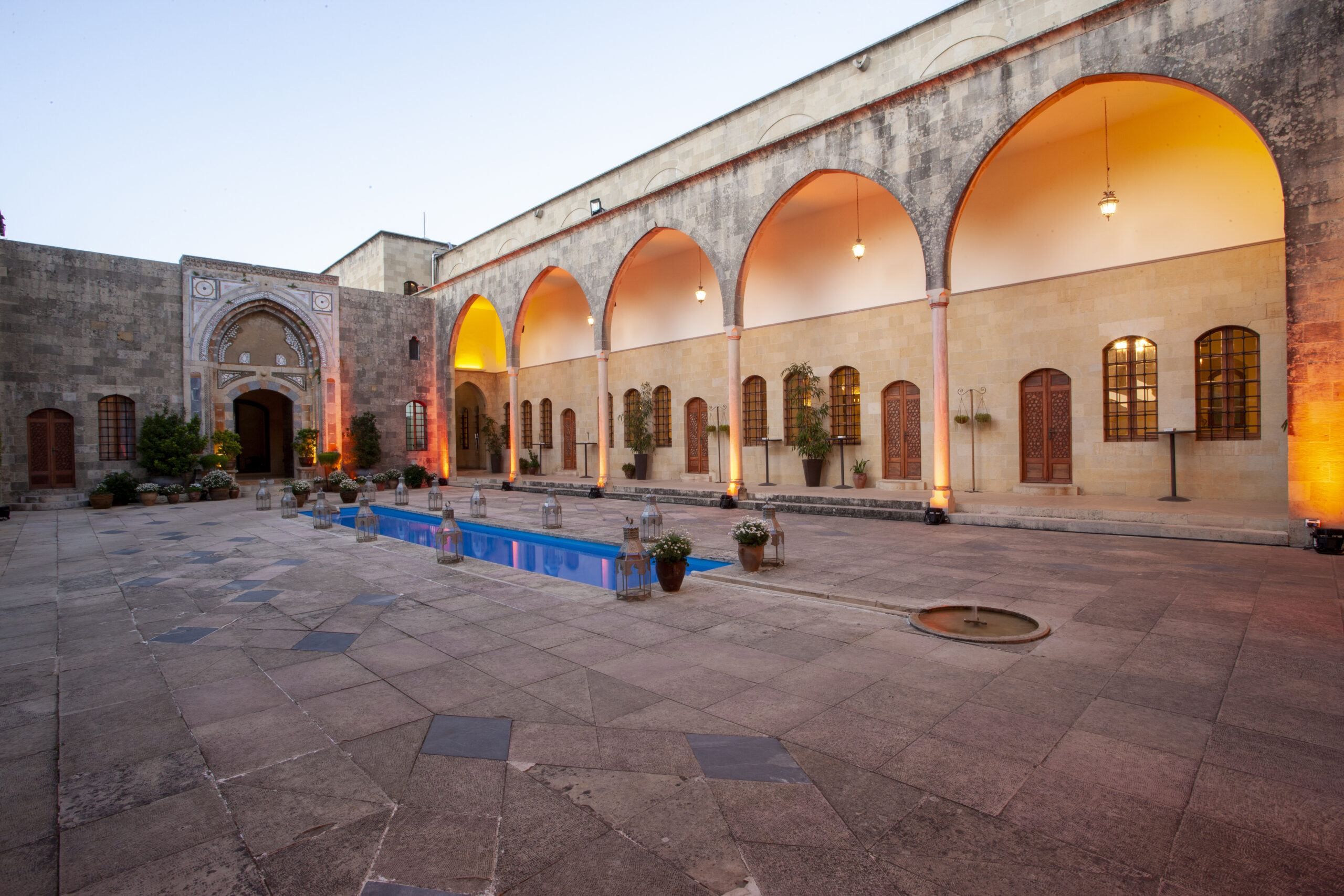
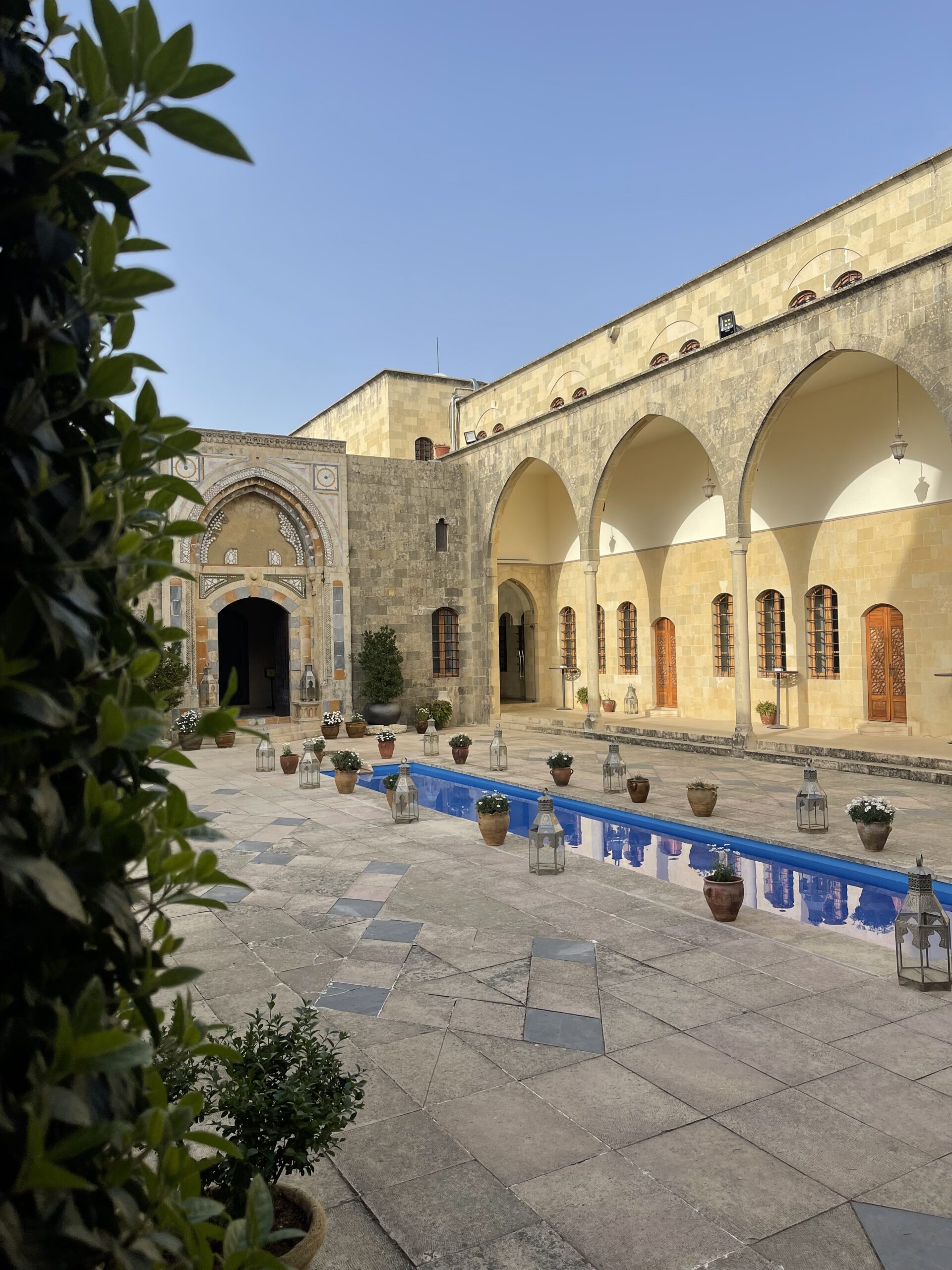
The Salamlik served as the public and reception part of the palace, organized around an esplanade, ornamental pools, arcades, and a reception hall renowned for its refined wood engravings.
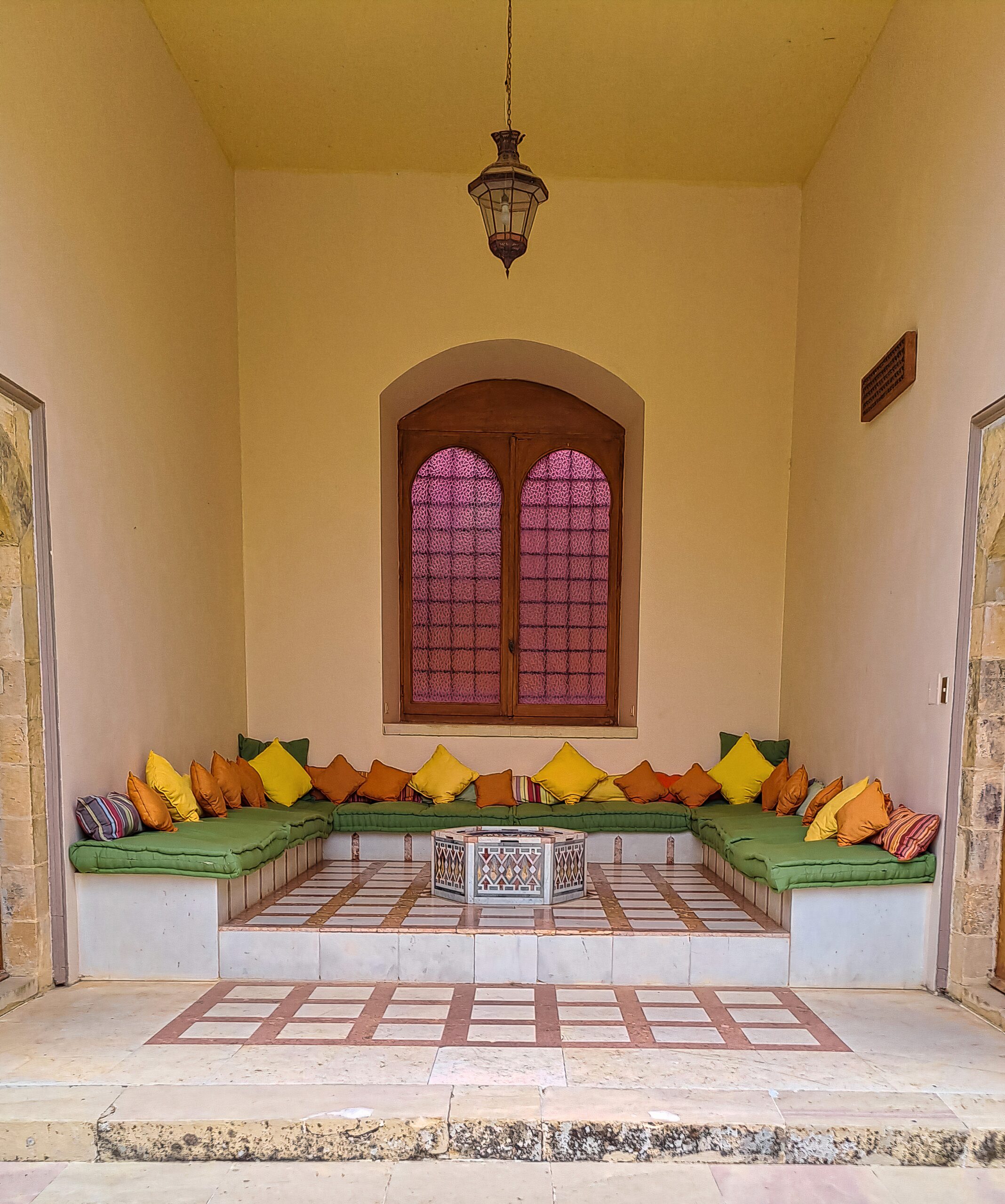
The Liwan formed the more intimate inner residence, distinguished by colored stonework, a central ornamental basin, a fountain, arcades, and underground stables.
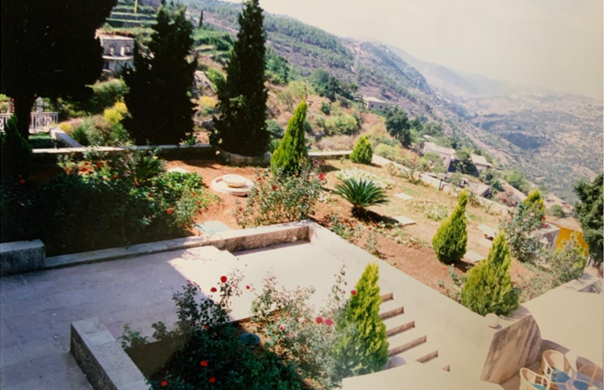
After the death of Emir Amin, the palace passed into other hands, yet its architectural character continued to preserve the memory of Mount Lebanon’s ruling class.
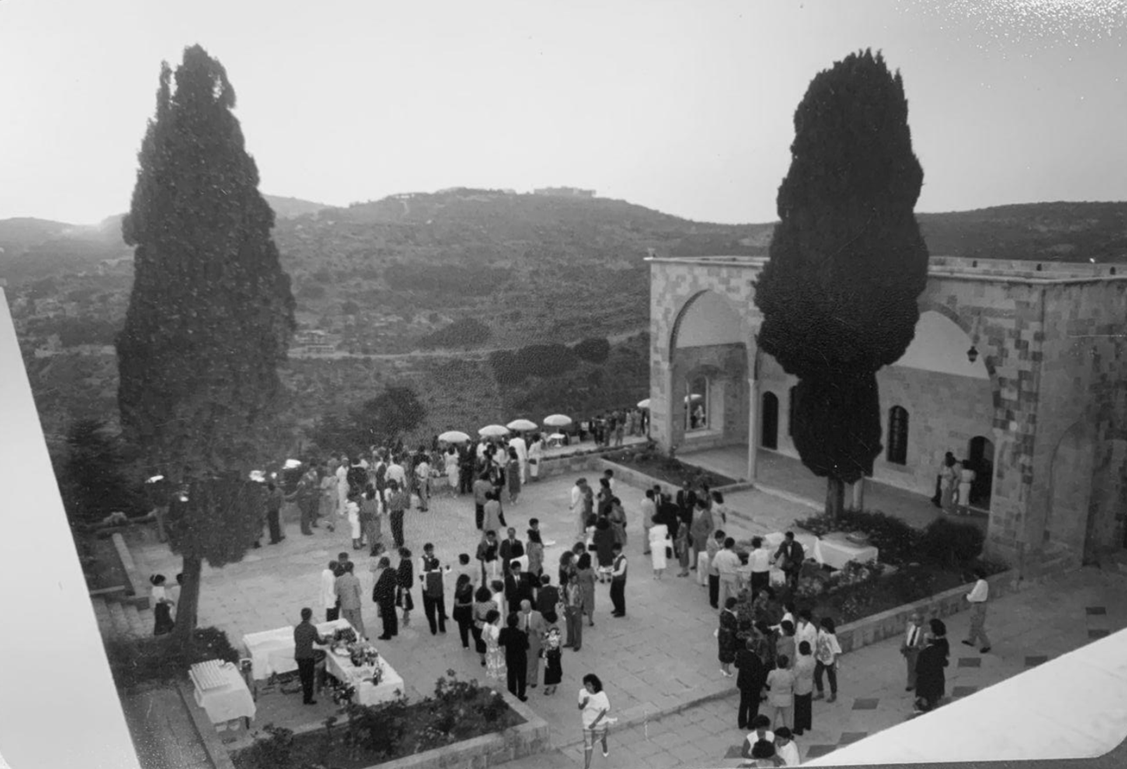
In the 1960s, the Lebanese government acquired the palace and restored it before its inauguration in 1969 under President Charles Helou.
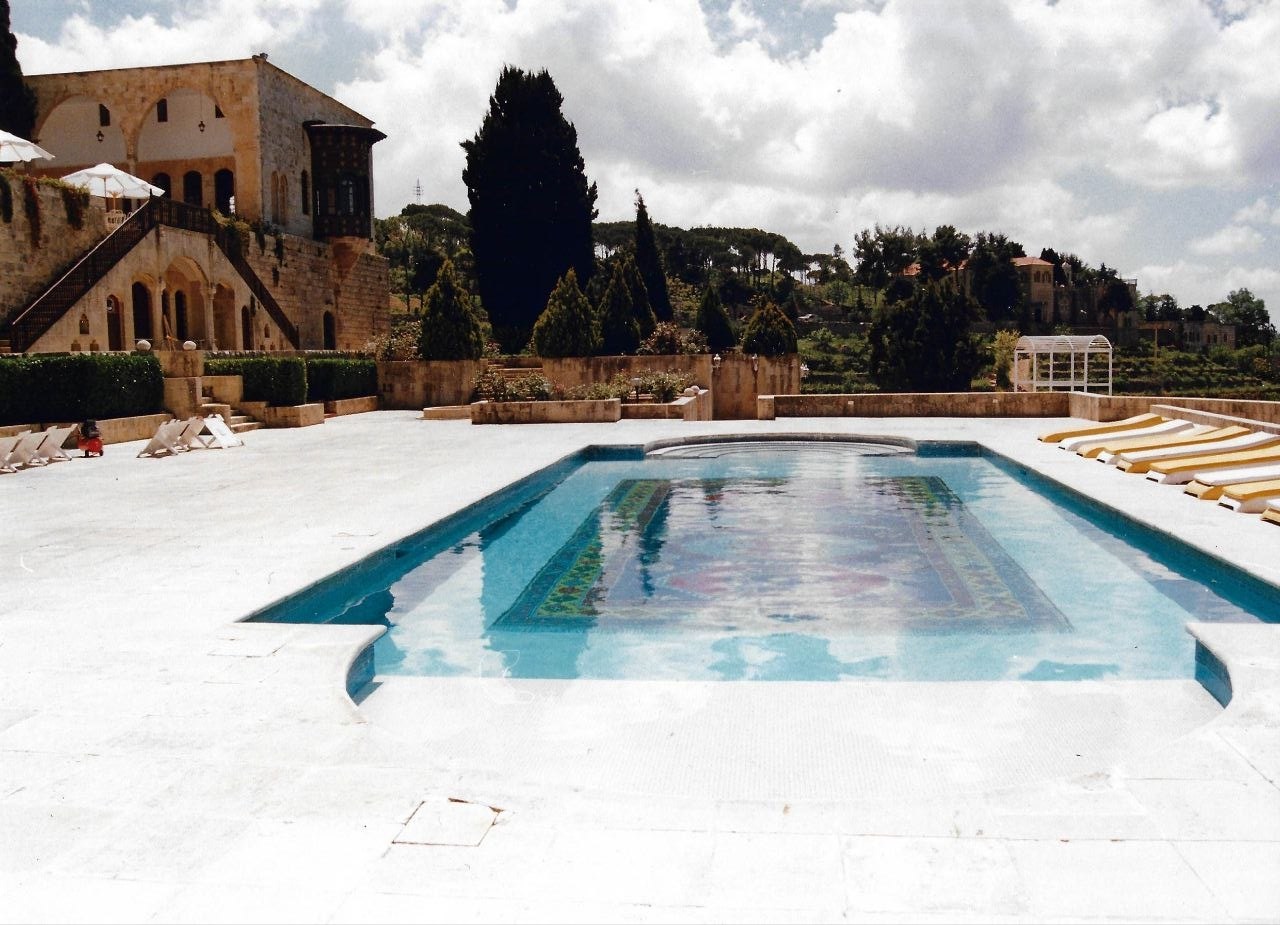
After a period as a private club for Lebanese army officers, the palace was inaugurated as a hotel on 21 September 1974 under President Suleiman Frangieh.
During the Lebanese Civil War, the palace suffered pillage and looting, threatening a major piece of Lebanon’s architectural heritage.
Restoration resumed and the palace was officially rehabilitated on 11 July 1987, at the time of Minister Walid Jumblat, preserving its historical and architectural legacy for future generations.
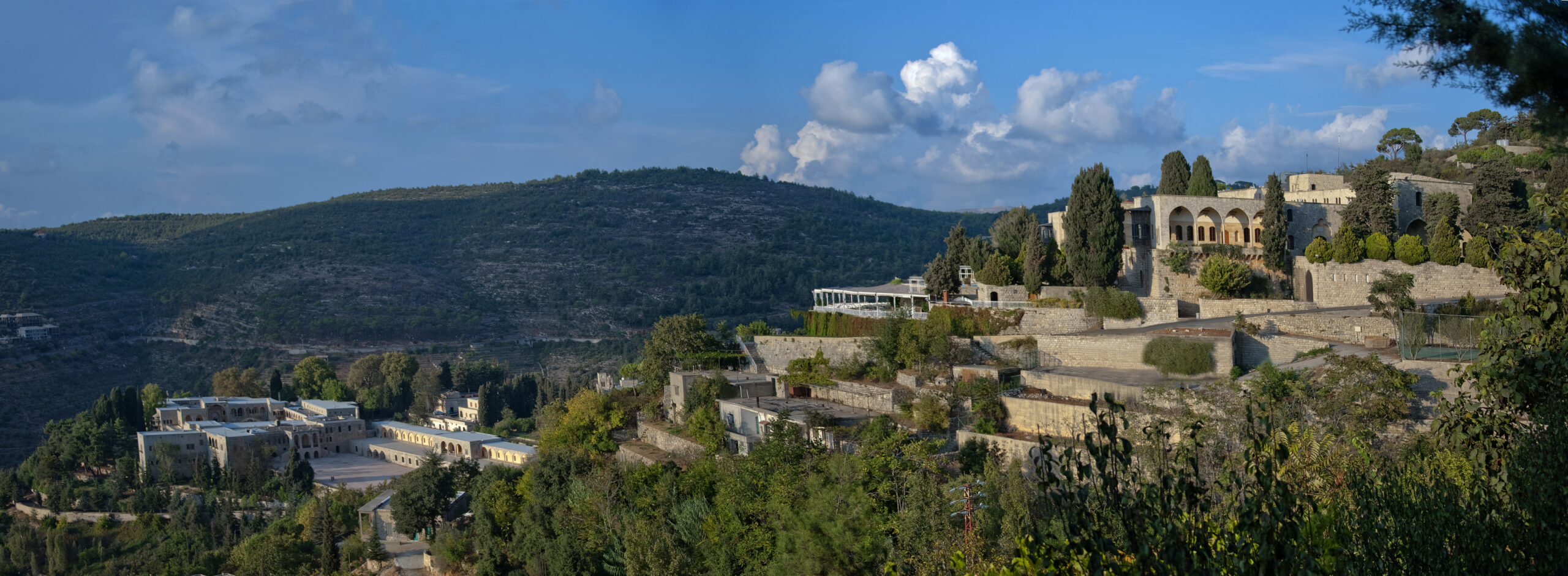
Today, Mir Amin Palace remains a living monument of Lebanese history, reflecting the political, cultural, and artistic achievements of Mount Lebanon’s past.